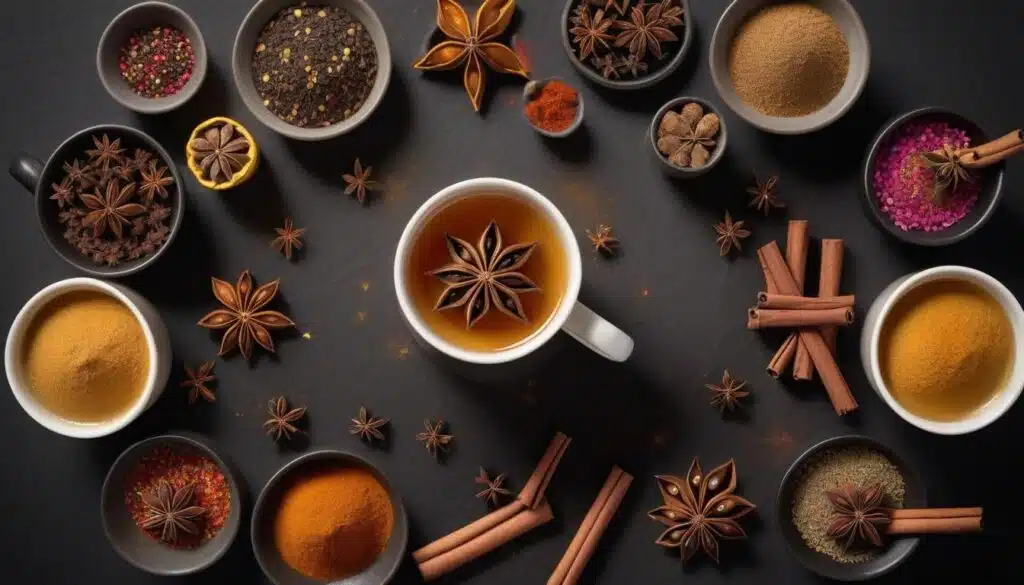
Cinnamon, ginger, cardamom, cloves and black pepper are common choices for spiced chai. The best combination depends on whether you prefer sweet, fragrant or peppery flavours. This guide explains what each spice contributes, how whole and ground forms differ, and how to choose a blend.
What is Chai Tea?
Masala chai is spiced tea, often prepared with black tea, milk and sweetener. Chai means tea; masala refers to a spice mixture. There is no single required five-spice formula: spice choices and proportions vary between households and regions.
Choosing Your Own Chai Spices
Choosing individual spices gives you control over the flavour balance. You can favour ginger and pepper for heat, or cinnamon and cardamom for a sweeter, more fragrant profile. Compare the freshness, ingredients and price of the specific packs you buy; homemade blends are not automatically cheaper or fresher than every commercial option.
Essential Chai Spices
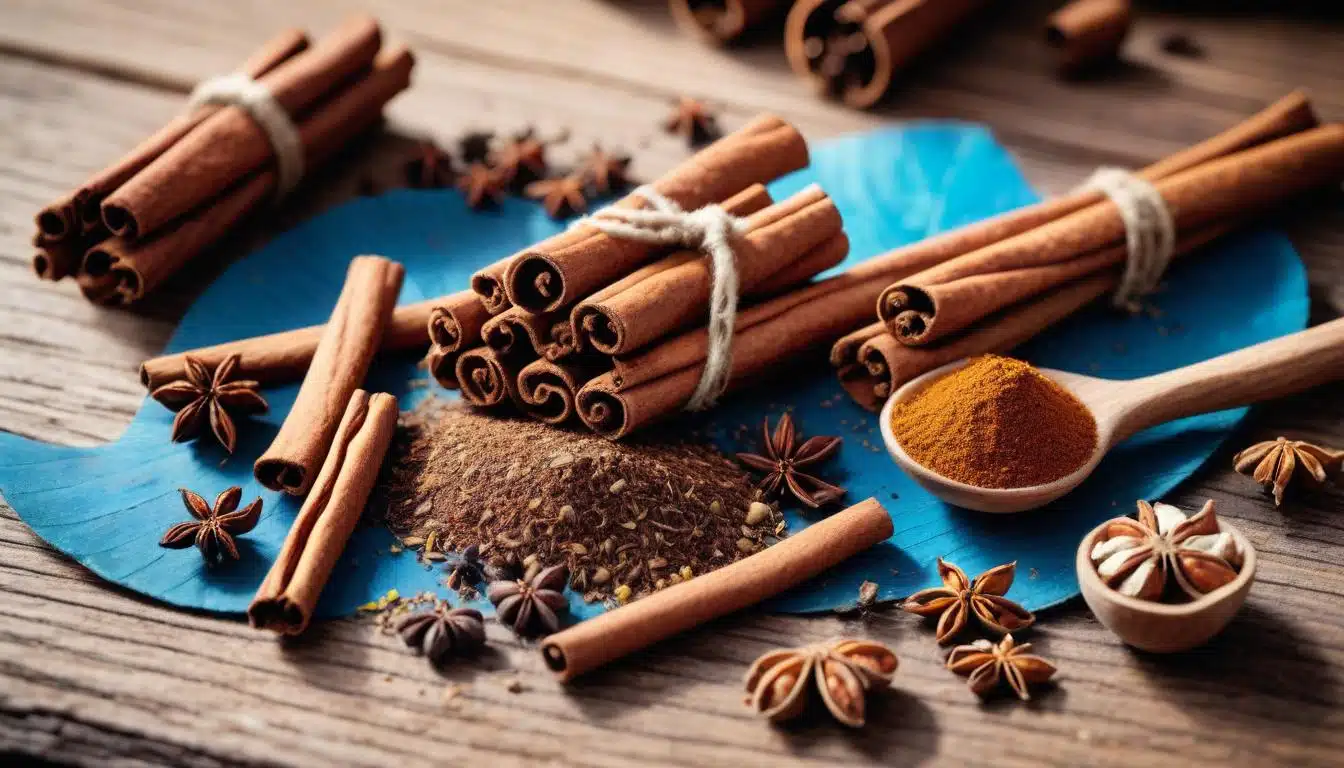
These five spices offer contrasting flavours. You do not need to use every one in every cup.
1. Cinnamon
Warm, sweet, and aromatic, cinnamon adds depth and a cozy sweetness to chai. Use cinnamon sticks for brewing or ground cinnamon in spice blends.
2. Ginger
Ginger provides a zesty, peppery heat that enlivens the palate. Fresh ginger can be sliced and simmered in the tea, while dried or ground ginger works well in spice mixes.
3. Cardamom
Cardamom pods bring a bright, citrusy aroma and subtle sweetness. They’re considered a star ingredient in traditional Indian chai.
4. Black Pepper
Black peppercorns add a pungent heat that enhances the complexity of the blend. It’s subtle but helps round out the sweeter spices.
5. Cloves
Cloves are intensely aromatic and slightly sweet, contributing a rich depth and warmth to the mix.
Other Common Chai Spices
Nutmeg, allspice, star anise and fennel offer other flavour directions. They are optional additions, not requirements for a correct or authentic chai.
1. Nutmeg
Nutmeg adds a sweet, slightly nutty flavor and can be used sparingly to enhance the warmth of the blend.
2. Allspice
This spice tastes like a mix of cinnamon, cloves, and nutmeg, making it a great addition for extra complexity.
3. Star Anise
Star anise offers a sweet, licorice-like flavor that pairs beautifully with cinnamon and cardamom.
4. Fennel Seeds
Fennel has a sweet and slightly herbal taste, adding a delicate anise-like flavor to the mix.
Using Whole Spices vs Ground Spices
Whole or coarsely crushed spices are easier to strain from a drink. Crushing exposes more of the spice to the liquid; the required brewing time depends on the spice, its size and the recipe. Whole spices are not automatically quicker to brew.
Pre-ground spices are convenient for a dry blend, but fine particles can remain in the drink. They do not dissolve like sugar, and an ordinary tea strainer may not catch all the sediment.
Do not swap equal spoonfuls of whole and ground spices. Their volumes differ, and cardamom pods include husks. Use a recipe that specifies the ingredient state and measured quantities. A pre-ground blend does not automatically need toasting.
Choosing a Chai Blend
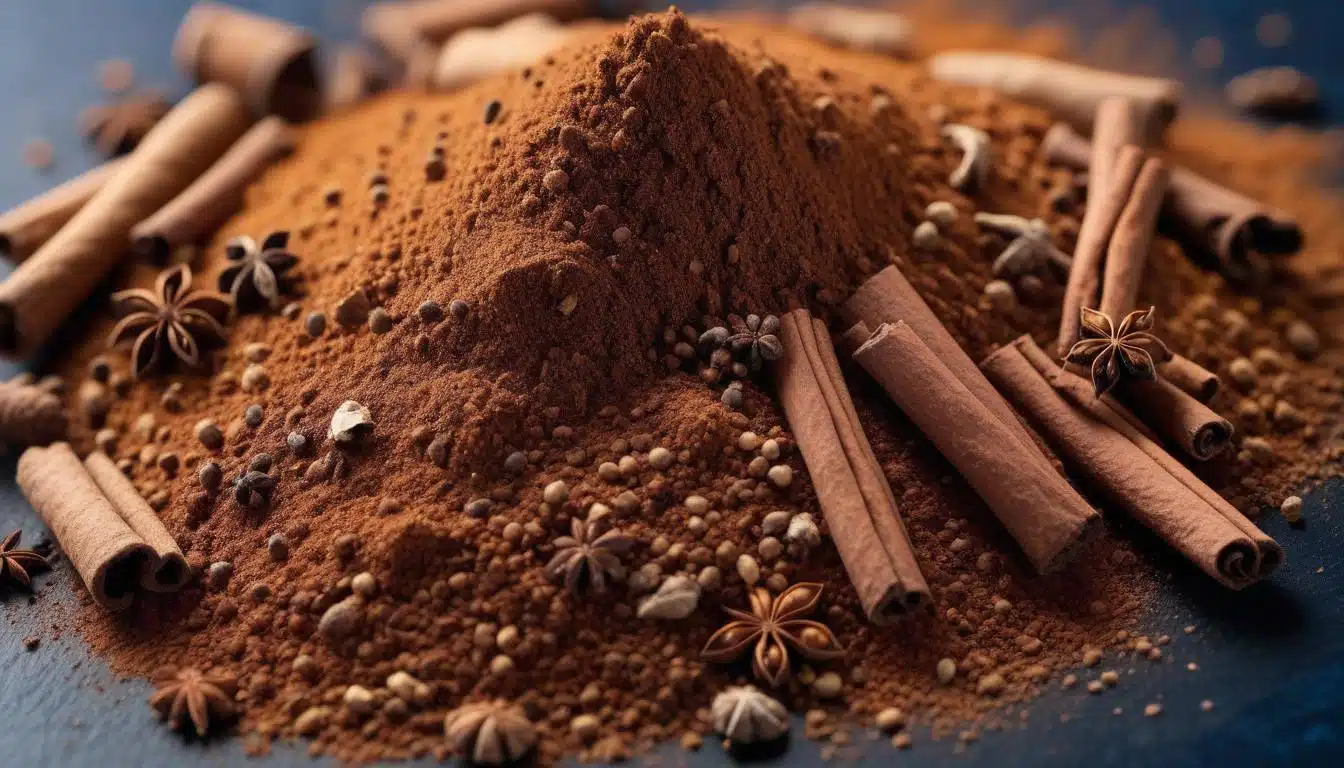
Keep spice selection separate from recipe quantities. A list of cinnamon, ginger, cardamom, pepper and cloves does not establish a reproducible blend or a dose for a finished drink. Follow one recipe rather than combining quantities from several methods.
Our five-spice chai mix guide covers a pre-ground blend. It is a separate preparation guide, not evidence that equal amounts of whole spices produce the same result.
Is Garam Masala the Same as Chai Masala?
No. Garam masala is a different spice blend, commonly used in savoury cooking. Its ingredients vary, so it is not a standard substitute for a chai blend or a shortcut to a more authentic drink. Check the exact ingredients before choosing any packaged spice mixture.
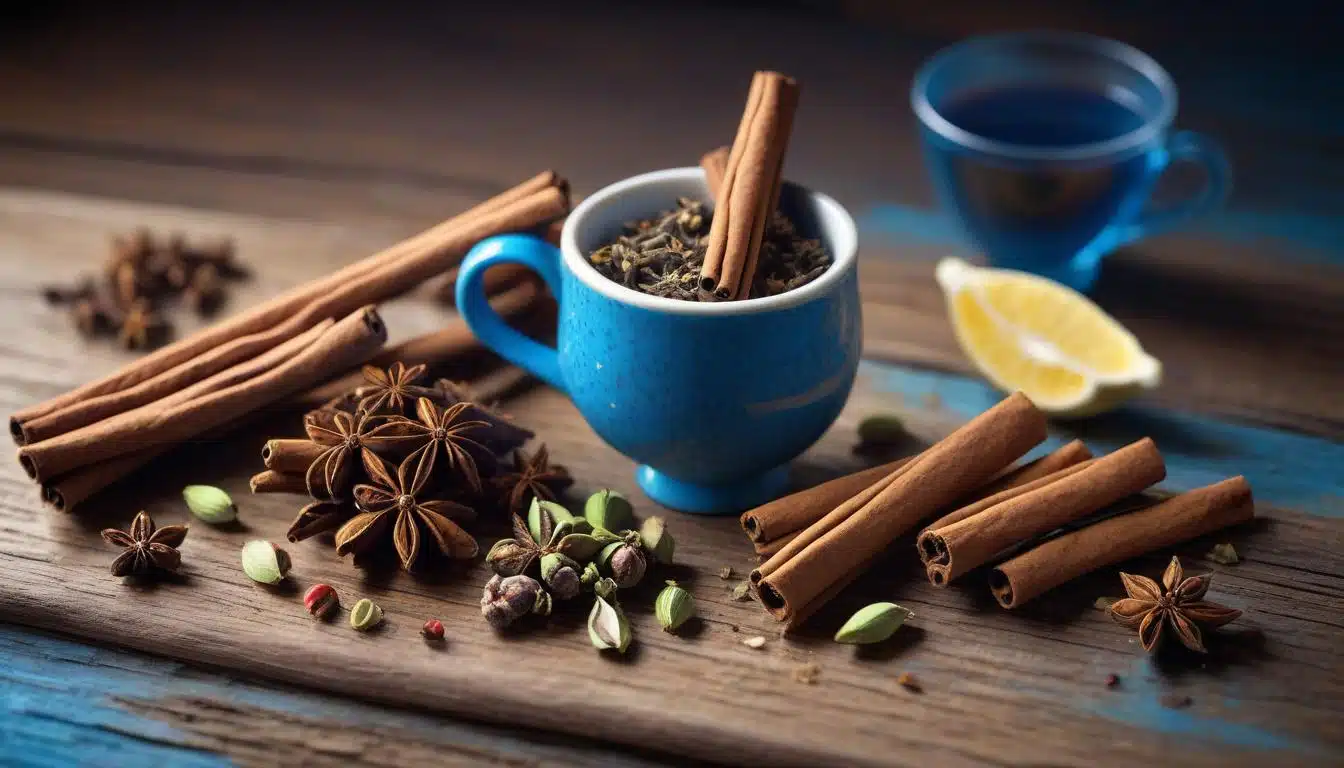
Customizing Your Chai Spice Mix
The beauty of chai lies in its adaptability. Don’t be afraid to play with your mix!
Flavor Adjustments:
- Add more ginger for a spicier, invigorating chai.
- Increase cardamom for a sweeter, floral note.
- Include dried rose petals for a romantic aroma.
Milk Options:
- Try oat milk for a creamy texture.
- Use coconut milk for a tropical twist.
- Almond milk adds a slightly nutty undertone.
Sweeteners:
- Honey brings floral sweetness.
- Maple syrup adds depth and richness.
- Coconut sugar offers a caramel-like touch.
You can even create seasonal chai blends, like adding pumpkin spice for autumn or peppermint for winter.
Storing Chai Spices
Keep spices in tightly closed containers in a cool, dry place away from direct light and cooking steam. Label homemade blends with their contents and mixing date, and follow the storage instructions and best-before dates on the original spice packets.
Whole spices generally retain aroma longer than ground spices, but this guide does not establish a universal shelf life for your blend. Make smaller batches and replace spices whose aroma has faded. Discard spices showing mould, moisture damage or an unusual smell.
Choosing the Best Spices for Your Chai
Choose cinnamon for woody sweetness, ginger and pepper for heat, cardamom for fragrance, and cloves for a strong aromatic note. Adjust one element at a time and keep notes on what you enjoy. For preparation quantities, use a separate recipe that specifies whole or ground ingredients rather than treating this flavour guide as a recipe.