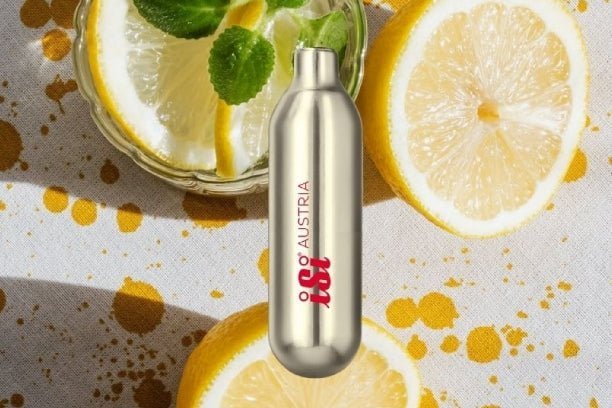
Smartwhip is used to add food-grade nitrous oxide (N2O/E942) to compatible culinary preparations. With the correct regulator, hose or adapter and whipping siphon, it can aerate cream, foams, mousses and sauces or support recipe-tested rapid infusions. It is designed for legitimate food and drink preparation, not for inhalation, balloons or drink carbonation.
The cylinder supplies pressurised gas; it is not a complete dispenser and it does not contain cream. The result depends on the recipe, temperature, siphon capacity and equipment instructions, so Smartwhip should be treated as one component of a complete culinary system.
Common culinary uses for Smartwhip
| Use | Examples | Important consideration |
|---|---|---|
| Whipped cream | Cakes, pastries, hot chocolate, coffee and plated desserts | Use a suitable cream recipe and compatible chilled dispenser |
| Sweet foams | Fruit, chocolate, coconut or yoghurt-based dessert foams | Strain mixtures and follow a tested recipe |
| Savoury foams and sauces | Cheese, vegetable, herb or oil-based espumas for plating | The recipe may need a stabiliser or thickener |
| Mousses and aerated desserts | Light dessert components and portioned fillings | Texture depends on formulation and temperature |
| Drink toppings | Cold foams for coffee, alcohol-free drinks and suitable cocktails | Smartwhip does not carbonate the drink itself |
| Culinary infusions | Recipe-tested herb, spice or flavour infusions | Use only approved ingredients, equipment and methods |
Whipped cream and dessert toppings
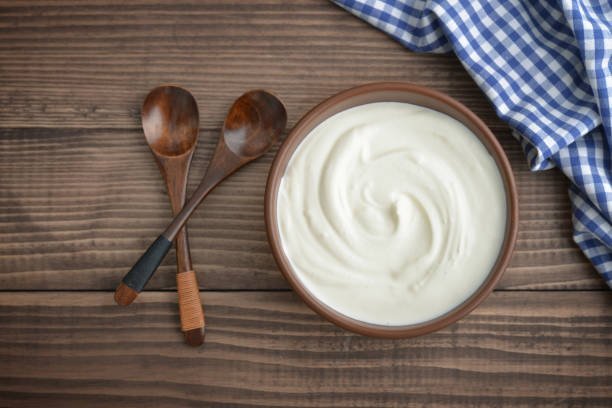
Whipped cream is the best-known Smartwhip application. In a compatible siphon, N2O dissolves into a suitable cream mixture under pressure and expands as the preparation is dispensed. This can produce an even texture for topping cakes, filling pastries or finishing drinks and desserts.
Smartwhip does not correct a weak recipe. Fat content, temperature, sugar, flavourings and storage time all affect the result. Chill ingredients when the recipe requires it, respect the fill line on the siphon and use the pressure guidance supplied for that exact preparation and appliance.
Sweet, savoury and plant-based foams
The system can also be used for sweet and savoury culinary foams. Examples include fruit or chocolate dessert foams, coconut-based toppings, cheese espumas and vegetable or herb foams for restaurant plating. The official Smartwhip coconut foam recipe demonstrates that a tested plant-based formulation can be prepared with a siphon and suitable stabiliser.
Not every liquid will hold a foam. Some recipes rely on fat, protein, gelatine or a purpose-made stabiliser to create structure. Mixtures should normally be blended smooth and strained so that seeds, fibres or solid particles do not obstruct the siphon valve or nozzle. Follow a tested recipe rather than guessing pressure or ingredient ratios.
Mousses, sauces and measured portions
Professional kitchens use siphons to prepare consistent portions of mousses, aerated sauces and other light-textured components. A regulated large-cylinder system can reduce interruptions when several compatible preparations are produced during service, because the operator does not need to open a new small charger for every cycle.
This does not mean that one gas weight guarantees a fixed number of servings. Yield changes with the formulation, dispenser capacity, temperature, chosen texture and portion size. See how much gas is in a Smartwhip cylinder for the distinction between net gas weight, equipment format and culinary yield.
Culinary infusions
Smartwhip also publishes recipe-tested applications for flavour infusions and infused foams. Its infused olive oil foam recipe, for example, uses a controlled culinary method with a cream dispenser and additional preparation steps.
Rapid infusion is an advanced technique, not a reason to pressurise arbitrary ingredients. Use only food-safe ingredients, equipment approved for the process and a recipe from a reliable source. Release pressure and open the siphon only as the manufacturer and recipe direct.
What Smartwhip is not used for
- It is not a soda maker: N2O and carbon dioxide behave differently. Use the gas and appliance specified for the drink or recipe. Our soda chargers vs cream chargers guide explains the distinction.
- It is not a standalone dispenser: the cylinder requires compatible pressure-control equipment and a culinary siphon.
- It is not for inhalation: never release nitrous oxide into balloons or breathe it directly.
- It is not refillable at home: do not tamper with a disposable cylinder or transfer gas between containers.
What equipment is required?
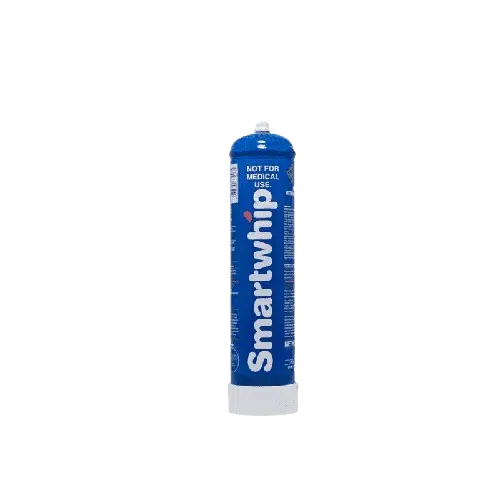
A large Smartwhip cylinder forms part of a connected system. The official Smartwhip pressure regulator is supplied with a custom siphon adapter and controls gas delivery between the cylinder and a compatible cream dispenser. A complete setup normally includes:
- the correct food-grade N2O cylinder;
- a compatible pressure regulator;
- the specified hose or connector;
- a matching siphon adapter; and
- a culinary cream dispenser suitable for the recipe and operating pressure.
Check every component for damage and compatibility before use. Do not improvise adapters, connect a large cylinder directly to a small charger holder or exceed the instructions for any part of the system.
Why busy kitchens use a larger cylinder
A larger N2O format can suit cafés, bakeries and commercial kitchens that prepare compatible recipes regularly. The regulator allows controlled gas delivery, while the larger supply can reduce the number of interruptions associated with changing individual 8g chargers. This can support repeatable workflow, but it does not replace staff training, recipe testing or equipment maintenance.
A small charger may remain more practical for occasional use. Choose by appliance compatibility, expected legitimate culinary demand and the manufacturer’s instructions, not by assuming that a larger cylinder is automatically better.
UK law and responsible culinary use
Nitrous oxide is controlled as a Class C drug in the UK. Current Home Office guidance recognises catering use, including whipped cream preparation, as legitimate. Possession, supply and use still depend on purpose and circumstances, and suppliers are expected to take reasonable steps to avoid reckless supply for wrongful inhalation.
Use and store N2O only for legitimate culinary work, retain appropriate evidence of intended business use, and seek current legal advice for a specific compliance question. This article provides general information, not legal advice.
Smartwhip safety checklist
- Use the cylinder only with compatible, undamaged culinary equipment.
- Keep it upright, secure and away from heat, flames and direct sunlight.
- Never inhale N2O or release it into balloons.
- Do not tamper with the valve, pierce the cylinder or try to refill it.
- Keep cylinders and pressurised equipment away from children.
- Confirm the cylinder is empty before following local recycling guidance.
For end-of-life handling, read our cream charger and cylinder disposal guide. Product-specific instructions always take priority.
Frequently asked questions
Can Smartwhip be used for cocktails and coffee?
It can prepare suitable cold foams and toppings used with coffee, alcohol-free drinks or cocktails. It should not be used to carbonate the drink, and the recipe must be appropriate for a culinary siphon.
Can Smartwhip make vegan foam?
Yes, when a tested plant-based recipe has enough structure or uses a suitable stabiliser. Coconut-based foam is one example. Results vary by formulation, so dairy cream instructions should not simply be applied to plant-based liquids.
Can Smartwhip be used without a cream dispenser?
No. The cylinder is a gas source, not a serving appliance. Use it only with the compatible regulator, connector and culinary siphon specified by the manufacturers.
Is Smartwhip the same as an 8g cream charger?
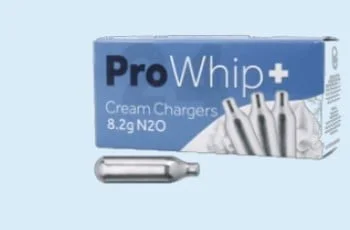
Both formats may contain food-grade N2O, but they use different delivery systems. A large cylinder works with compatible pressure-control equipment; an 8g charger fits the holder specified for a suitable whipper.
Where can I compare Smartwhip products?
Browse the current Smartwhip range and check each listing for net gas content, connection type, compatible equipment, stock and current product instructions.
The bottom line
Smartwhip is used for legitimate culinary aeration and recipe-tested infusion. Its most common applications include whipped cream, sweet and savoury foams, mousses, sauces and drink toppings. Safe results depend on a suitable recipe, a compatible regulator and siphon, correct storage and strict separation from inhalation or balloon use.