In catering, food-grade nitrous oxide is used to aerate, dispense and texture suitable recipes. When used with compatible culinary equipment, it helps chefs and home cooks prepare whipped cream, light foams, dessert toppings and selected cold infusions quickly and consistently.
This guide covers food preparation only. Cream Chargers Warehouse supplies culinary N2O products to customers aged 18 or over for legitimate catering use.
How does food-grade nitrous oxide work in a cream dispenser?
A cream dispenser is a sealed vessel designed to combine a suitable recipe with nitrous oxide under pressure. The gas dissolves into the mixture while the dispenser is charged and shaken according to the manufacturer’s instructions. When the valve is opened, the pressure drops and the gas expands, creating an aerated texture.
The result depends on the ingredients, fat content or stabilisers, temperature, dispenser capacity and charging method. A charger does not correct an unsuitable recipe, and more gas does not automatically produce a better texture. Start with a tested recipe and follow the instructions supplied with the exact dispenser.
What culinary preparations use nitrous oxide?
Whipped cream and dessert toppings
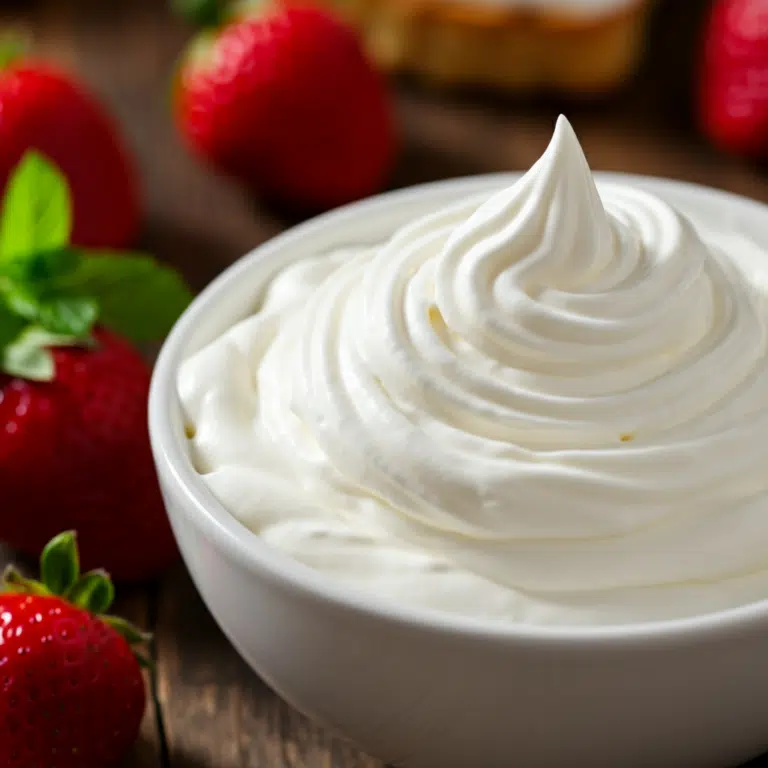
Whipped cream is the best-known culinary application. A compatible whipper can produce an even topping for cakes, pastries, sundaes, waffles, hot chocolate and coffee. It can also help a busy kitchen prepare portions to order while keeping the remaining mixture enclosed in the dispenser.
Sweet and savoury foams
Chefs use dispensers to add a light foam or espuma to plated dishes. Suitable recipes may include fruit, chocolate, coffee, cheese or vegetable bases. The mixture must be smooth enough for the dispenser and nozzle, so straining is often an important recipe step.
Mousse-style components
Some tested recipes use a culinary whipper to create light mousse-style toppings and aerated fillings. Ingredient ratios matter: recipes that are too thin may not hold their shape, while mixtures that are too thick can block the nozzle.
Cold drink toppings
Cold foams can be used on appropriate coffee, chocolate and dessert-drink recipes. Confirm that the dispenser and recipe are intended for the temperature and ingredients involved. Nitrous oxide is not a substitute for carbon dioxide and should not be used to carbonate water.
Suitable culinary infusions
Some professional recipes use controlled pressure to speed up the transfer of flavour between compatible culinary ingredients. Use only a tested recipe written for the exact equipment, strain ingredients carefully and release pressure exactly as the manufacturer directs.
What is the difference between small chargers and larger cylinders?
Small cream chargers
Traditional single-use chargers suit occasional preparation and smaller batches. They are inserted into the holder made for a compatible cream whipper. Check the charger’s size and the dispenser manufacturer’s instructions before use. Browse our cream charger range for current options.
Larger culinary N2O cylinders
A larger cylinder can suit a professional kitchen with a higher volume of compatible recipes. It normally needs the correct pressure regulator, hose, adapter and dispenser. Fittings and included accessories vary, so check the live product specification rather than assuming components are interchangeable. See the culinary N2O cylinder range.
Never connect a large cylinder directly to a dispenser intended for individual cartridges, transfer gas between containers or improvise an adapter.
How do you choose compatible culinary equipment?
Check all parts of the system before ordering:
- the dispenser’s stated capacity and supported charger format;
- whether the dispenser is suitable for the recipe and temperature;
- the regulator and hose specification required for a larger cylinder;
- whether adapters or accessories are included with the product;
- the manufacturer’s operating and cleaning instructions; and
- the quantity needed for a genuine food-service purpose.
Do not mix parts merely because they appear to fit. A component should be explicitly compatible with the charger or cylinder and the receiving equipment.
How should a culinary dispenser be prepared?
- Read the instructions for the dispenser and gas product.
- Inspect the vessel, head, gasket, valve and nozzle for damage.
- Prepare a tested recipe and strain it where required.
- Do not exceed the marked fill line or stated capacity.
- Assemble, charge, shake and rest the dispenser only as directed.
- Dispense in the orientation specified by the manufacturer.
- Release pressure safely before opening or cleaning the vessel.
Our step-by-step cream charger guide provides a general culinary overview. The manual for your exact equipment always takes priority.
What affects the finished texture?
Temperature, ingredient composition and preparation method all matter. Chilled ingredients commonly perform differently from warm mixtures, and recipes with different fat, sugar or stabiliser levels will not aerate in the same way. The nozzle can also affect the presentation without changing the underlying recipe.
If a tested recipe is too runny or too firm, check the ingredient measurements, temperature, straining, fill level and shaking instructions before changing anything else. Do not open a dispenser until pressure has been released according to the manual.
How should chargers and cylinders be stored?
- Keep them in their original packaging until required.
- Store them upright where the manufacturer specifies this.
- Protect them from heat, flames, direct sunlight and physical damage.
- Keep them secured away from children and unauthorised access.
- Do not use a damaged, leaking or incompatible container.
- Never pierce, burn, refill or modify a charger or cylinder.
- Never inhale nitrous oxide or release it for inhalation.
Empty containers must be handled according to the manufacturer and local-authority rules. Read our cream charger disposal guide before placing any container in a waste or recycling stream.
Frequently asked questions
Is food-grade N2O the same as carbon dioxide?
No. The gases behave differently and are used for different culinary tasks. Carbon dioxide is normally used for carbonation. Nitrous oxide is used with equipment designed for aeration, dispensing and suitable infusion recipes.
Can any bottle be used as a cream dispenser?
No. Use only a purpose-built culinary dispenser that is compatible with the charger or regulated cylinder system. Ordinary bottles and improvised containers are not suitable pressure equipment.
Can catering businesses order larger quantities?
Food-service businesses can review our wholesale cream charger information. Orders remain subject to an 18+ policy, a legitimate culinary purpose and any checks needed for responsible supply.
Choosing N2O for a food-service workflow
Start with the recipe and workload, then select a compatible dispenser and gas format. Small chargers can be practical for occasional batches, while an appropriate regulated cylinder system may suit frequent professional preparation. Check the current product details, included accessories and manufacturer instructions before ordering, and buy only the quantity required for genuine food preparation.