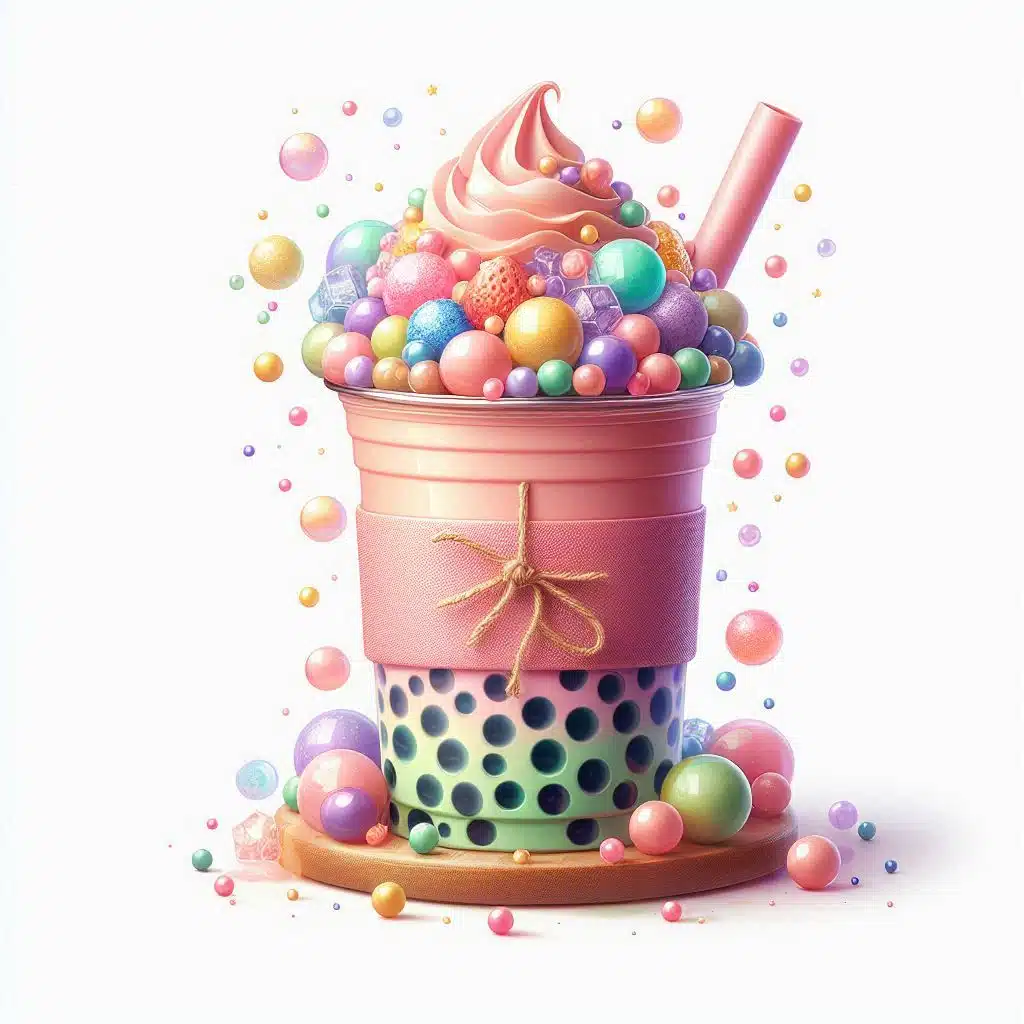
Bubble tea does not have one fixed nutrition profile. A cup may contain brewed tea, milk or creamer, sweetener, flavoured syrup, tapioca pearls, popping boba, jelly and other toppings. The serving size and recipe determine the final energy, sugar, fat and allergen information.
This guide explains how to compare bubble tea ingredients and portions without treating the drink as inherently healthy or unhealthy. For individual dietary or medical advice, speak to a suitably qualified healthcare professional.
What is usually in bubble tea?
Most bubble tea starts with a tea or fruit-flavoured base. Milk tea normally adds dairy milk, a plant-based drink or a creamer. The shop may then add liquid sugar, flavoured syrup and one or more toppings.
Common components include:
- black, green, jasmine, oolong or another brewed tea;
- fruit syrup, puree, juice or flavoured powder;
- dairy milk, a plant-based alternative or powdered creamer;
- liquid sugar, fructose syrup or another sweetener;
- tapioca pearls, popping boba, jelly or pudding; and
- ice and water.
The name of the drink alone is not enough to determine its nutritional values. Two mango bubble teas, for example, may use different bases, sweetness levels, cup sizes and toppings.
How to read bubble tea nutrition information
For packaged ingredients, UK nutrition labels normally show energy, fat, saturates, carbohydrate, sugars, protein and salt per 100 grams or 100 millilitres. Some also provide a prepared serving. Compare products using the same measurement and check whether the figures cover the dry mix, the prepared drink or both.
Start with the full serving
A per-100-gram figure is useful for comparing products, but it does not tell you what is in the cup. Multiply or scale it to the amount actually used, then include the milk, syrup and toppings.
Check the preparation instructions
A powder may be designed for a particular scoop size or dilution ratio. Using a larger scoop changes the prepared serving. Cafes should document the recipe used for each cup size rather than relying on an estimate.
Include custom additions
Extra pearls, popping boba, jelly, syrup or cream belong in the total for the finished drink. A base-drink figure does not cover additions unless the menu or label says that it does.
What affects the sugar content?
Sugar can come from the base powder, fruit syrup, liquid sweetener, milk or toppings. Selecting a lower sweetness setting may reduce added syrup, but it does not necessarily remove sugar already present in a premixed powder or topping.
Ask what the sweetness percentage means at the shop. One business may define 50% sweetness as half its normal liquid sugar, while another may use a different recipe. For home preparation, measure the syrup and follow the product label so the amount is repeatable.
What affects the calorie content?
Serving size is often the largest variable. Milk or creamer, sweetened powders, syrups and toppings all contribute to the finished drink. Brewed, unsweetened tea contributes far less than a complete milk-tea recipe, but the exact result depends on the quantities used.
Avoid relying on a universal online number for “one bubble tea”. Use the shop’s current nutrition information where available, or calculate a home recipe from the labels on the exact ingredients.
How do common toppings differ?
Tapioca pearls
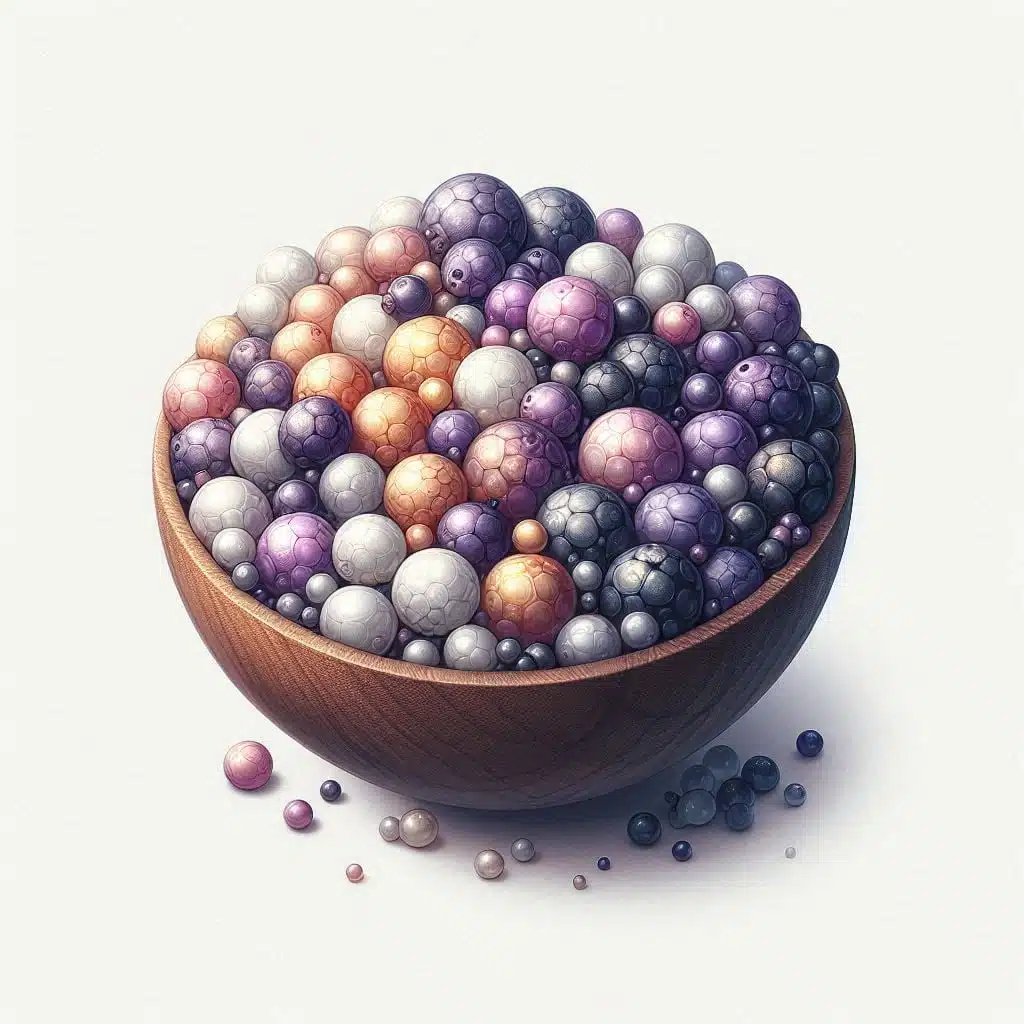
Tapioca pearls are made mainly from cassava starch. They are cooked before serving and may be held in a sweetened solution. Portion size and preparation affect their contribution to the finished drink.
Popping boba
Popping boba contains a flavoured liquid inside a thin outer membrane. Recipes differ between flavours and manufacturers, so check the product label for sugar, allergens and serving information.
Jellies and puddings
Fruit jellies, grass jelly, coconut jelly and puddings use different ingredients. Do not assume that one is automatically lighter or more nutritious than another. Compare the label and the portion added.
You can browse the current boba pearls range for product-specific ingredients and preparation directions.
How milk and creamer choices change the drink
Dairy milk, plant-based alternatives and powdered creamers have different nutrition and allergen profiles. Plant-based does not automatically mean lower in energy or sugar; sweetened and barista-style products can differ from unsweetened versions.
Check the exact product rather than making a decision from the category name. For customers with an allergy or intolerance, staff should follow the business’s allergen procedures and consider cross-contact as well as the listed ingredients.
Practical ways to customise a serving
- Choose a smaller cup when you want a smaller overall portion.
- Ask what the sweetness settings change in the recipe.
- Select one topping rather than combining several.
- Check whether the base powder or fruit syrup is already sweetened.
- Compare the labels of dairy, plant-based and creamer options.
- Measure ingredients consistently when preparing bubble tea at home.
- Keep allergen requirements separate from general nutrition choices.
These are practical portion and recipe adjustments, not medical recommendations. A richer bubble tea can also be enjoyed as an occasional dessert-style drink.
How should cafes calculate a menu drink?
- Write down the amount of every ingredient used for each cup size.
- Use the current supplier label for each powder, syrup, milk and topping.
- Calculate the contribution of each measured amount.
- Add the components together for the complete prepared drink.
- Create separate information for common customisations where practical.
- Review the calculation whenever a supplier, product or recipe changes.
Consistent scoops, pumps and topping measures improve both customer information and recipe control. Our bubble tea preparation guide covers the basic workflow, while the bubble tea range contains current product details.
Frequently asked questions
Is bubble tea healthy?
There is no single answer because recipes and portions vary. Review the complete prepared drink, including sugar, milk and toppings, and consider how it fits into your overall diet.
Does fruit tea contain less sugar than milk tea?
Not necessarily. A fruit tea may contain syrup, puree, juice, sweetened powder or added liquid sugar. Compare the actual recipe rather than assuming from the name.
Are tapioca pearls healthier than popping boba?
They are different products with different recipes. Compare the manufacturers’ labels and the portion served. Neither category has one universal nutrition profile.
Does 0% sweetness mean the drink contains no sugar?
Not always. It may mean that no additional liquid sweetener is added, while the base mix, milk, fruit component or toppings may still contain sugar. Ask the supplier or shop what the setting covers.
Can bubble tea treat or prevent a health condition?
No bubble tea should be presented as a treatment or preventive measure for a medical condition. People with diabetes, allergies or other specific dietary needs should use reliable product information and follow advice from an appropriately qualified professional.
Bubble tea nutrition: the practical answer
Bubble tea can range from a simple brewed tea with one topping to a large dessert-style milk drink. The useful question is not whether every bubble tea is healthy, but what is in this recipe and this portion. Check the labels, measure the ingredients and include every topping to get a realistic picture.
Sources and Further Reading
- GOV.UK: food labelling and nutrition information
- GOV.UK: nutrition and health claims
- FSA: food allergy and intolerance advice
For tea bases, caffeine amounts and labelled reference servings, see our bubble tea caffeine guide.
Sources checked: 7 October 2026. Product formulations and shop recipes can change; use current ingredient labels and information for the complete serving.