Introduction
The coffee industry is continually evolving, with trends and innovations shaping the way we enjoy our favorite brews. Recently, new regulations surrounding the use of nitrous oxide (N₂O) cylinders have begun to create ripples in this vibrant sector. As businesses adapt to these changes, it’s crucial to understand how they affect both coffee enthusiasts and industry professionals. In this article, we will explore the implications of these regulations on the coffee landscape, the technological advancements driving the shift, and how brands are responding to maintain their edge.
Understanding N₂O Regulations

Nitrous oxide cylinders are widely used in the coffee industry, primarily for creating whipped cream and infusing flavors into coffee beverages. However, concerns over safety and environmental impact have led to stricter regulations governing their usage. These regulations vary significantly across regions, with some countries implementing comprehensive guidelines on the sale, distribution, and usage of N₂O cylinders.
Key Regulatory Changes
- Age Restrictions: Many jurisdictions now require users to be of a certain age before purchasing N₂O cylinders, aiming to reduce misuse, particularly in recreational settings.
- Safety Standards: Enhanced safety standards are being enforced, including guidelines on cylinder storage, handling, and transportation to minimize accidents.
- Environmental Regulations: Regulations aimed at reducing greenhouse gas emissions are also coming into play, leading to a push for more sustainable alternatives to N₂O.
Impact on Coffee Businesses
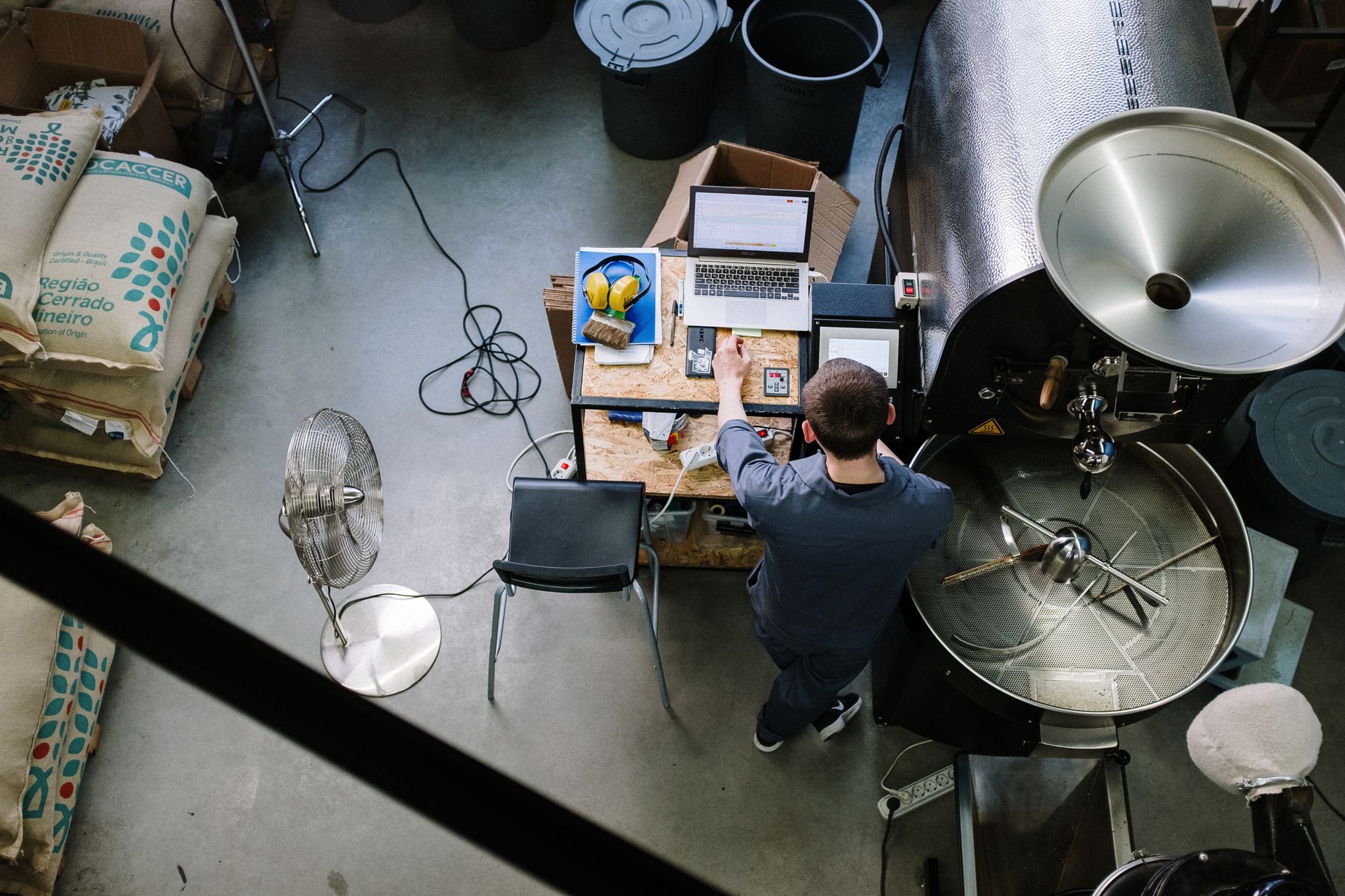
As regulations evolve, coffee businesses must adapt to ensure compliance while still meeting consumer demands. Here are several ways in which these changes are reshaping the coffee industry:
1. Operational Adjustments
Businesses are finding that compliance with new regulations requires operational changes. Coffee shops that heavily rely on N₂O for whipped toppings or flavor infusions must reconsider their supply chains and operational protocols to avoid potential legal repercussions.
2. Increased Costs
The implementation of new safety and environmental regulations often leads to increased operational costs. From the purchase of compliant equipment to potential fines for non-compliance, businesses may need to adjust their pricing strategies. This could lead to higher prices for consumers or reduced profit margins for coffee shops.
3. Shift in Consumer Preferences
As consumers become more aware of the health and environmental implications of N₂O usage, there may be a shift in preferences towards coffee products that use alternative methods. This change could drive brands to innovate and explore options like natural infusions or plant-based whipped toppings.
Innovations in Coffee Preparation

While regulations pose challenges, they also spur innovation in the coffee sector. Here’s how brands are responding:
1. Alternative Technologies
Some companies are investing in alternative technologies for creating foams and whipped toppings. Innovations such as air infusion systems or organic whipping agents are gaining traction as viable substitutes for N₂O, allowing brands to stay ahead of the regulatory curve.
2. Sustainable Practices
In response to environmental concerns, many coffee brands are focusing on sustainability. This includes sourcing beans from ethical suppliers and packaging products in eco-friendly materials. Brands like Lavazza are setting the standard by committing to sustainability and transparency.
3. Training and Compliance Programs
To navigate the complexities of new regulations, many coffee establishments are implementing training programs for their staff. These programs focus on safe practices regarding N₂O usage and compliance with local laws, ensuring that employees are knowledgeable and responsible.
Market Trends and Brand Activities
As the coffee market adapts to these regulatory changes, several trends and brand activities are emerging:
1. Consumer Education
Brands are taking the initiative to educate consumers about the changes in N₂O regulations and their implications. This transparency fosters trust and helps customers make informed choices. For example, brands like MONIN are actively engaging with their audience through social media and workshops.
2. Community Initiatives
Many coffee brands are also involved in community initiatives that promote responsible usage of N₂O. This includes collaborating with local governments to ensure compliance and participating in awareness programs aimed at reducing misuse.
3. Partnerships with Regulatory Bodies
To foster a more sustainable industry, coffee brands are forming partnerships with regulatory bodies. These collaborations help companies stay abreast of changes and influence future regulatory frameworks positively.
Conclusion
The new regulations surrounding N₂O cylinder usage are undoubtedly affecting the coffee industry, influencing everything from operational practices to consumer preferences. However, these challenges also present opportunities for innovation and growth. As we move forward, coffee businesses that embrace these changes and adapt creatively will not only survive but thrive in this evolving landscape.
To stay informed about the latest developments in the coffee industry and related niches, be sure to check back for updates on our site. For those looking to enhance their coffee offerings with innovative ingredients and accessories, explore brands like Boba Lish and their array of products, from boba pearls to syrups. Your next coffee creation could be just a click away!